A credible commitment
Shaping clear norms and guidance, practical tools and shared red lines and green flags. Grounded in the OECD Due Diligence Guidelines and extending into positive contributions that go beyond risk avoidance.
We're building practical frameworks for responsible sourcing and production of sand and silicates. Defining better practices, testing solutions in real supply chains and creating the tools that turn commitment into action.
The Coalition is a cross-sector platform focused on three actions.
Shaping clear norms and guidance, practical tools and shared red lines and green flags. Grounded in the OECD Due Diligence Guidelines and extending into positive contributions that go beyond risk avoidance.
Building the evidence base, testing due diligence approaches in real supply chains and making data and insights actionable so learning travels beyond individual pilots.
Working with standards bodies as a connector, critical friend and resource. Helping them bring sand and silicates into their frameworks so that responsible action is recognised.
Sand and silicates are the foundation of modern life and the most extracted solid materials on Earth. Each year, tens of billions of tonnes are used worldwide to build homes, infrastructure, electronics and energy systems. They have been part of human societies from the beginning, and they will remain so.
Aggregates, clays, industrial sands, natural stone and high-purity quartz are often treated as freely abundant and low risk. These assumptions no longer hold.
When materials are taken for granted, questions of origin, management and accountability fade. The consequences of this invisibility are linked to human-rights, environmental and systemic risks, including growing pressure on secure supply.
Responsible public governance and business conduct are no longer optional. Yet responsibility for sand and silicates remains weakly defined. This creates a rare opening. There is room to lead. To see these materials and the people behind them clearly, to secure them and the benefits they generate and to share what we learn so that others can do the same.
The global landscape of supply chain responsibility practice and assurance is strongly shaped by the OECD's Responsible Business Conduct work and its Due Diligence Guidance. That work has set the foundations on which any responsible sourcing practice now rests.
As of today, this system does not yet see sand and silicates as a serious field of application for risk-based supply chain due diligence. But that is beginning to change.
The Coalition works in this transition space. Our goal is integration: bringing sand and silicates into the existing system rather than building something separate. That means working with what is already there first. It also means adapting where the particularities of these materials require it and leaving room for the kind of opportunity-seeking that goes beyond risk avoidance alone.
The end point is common ground on the definitions, frameworks and practices that responsible sourcing and production of sand and silicates can rest on. This gives actors in these supply chains the means to demonstrate responsibility against a global benchmark. And it sends stronger signals about the risks and opportunities in these materials, into the market and into supply chain governance.
This Coalition exists because of the vision and generosity of the Global Centre for Mineral Security and the leadership of Professor Daniel Franks at The University of Queensland's Sustainable Minerals Institute. The Centre provided our intellectual home, supported the research that made this work credible and created the conditions for collaboration across industry, civil society and research.
The Centre's work was supported by funding from The University of Queensland through its Resourcing Decarbonisation and Trailblazer initiatives, IKEA, Roca Group and MCS Group. We're grateful for their partnership and excited to see where this collaborative journey leads next.
Full project history at the Sustainable Minerals Institute
Key moments
Many people and organisations are part of our journey and we're grateful for each of them.





The Coalition for Responsible Sand and Silicates is a not-for-profit, public company limited by guarantee, incorporated in Australia. We are governed by a board of directors and a multi-stakeholder advisory council. The advisory council sets strategic direction and programme priorities. The board of directors holds fiduciary responsibility and oversight. The work is supported by a small, distributed secretariat. This structure keeps the Coalition mission-driven, transparent and open to diverse forms of participation.
Fiduciary responsibility and oversight
Multi-stakeholder strategic direction and programme priorities
Day-to-day coordination with members and partners
The secretariat's role is to serve the Coalition's members: coordinating partnerships, managing operations and ensuring the work gets done. As a small team, we share responsibility across strategy, delivery and relationship-building.
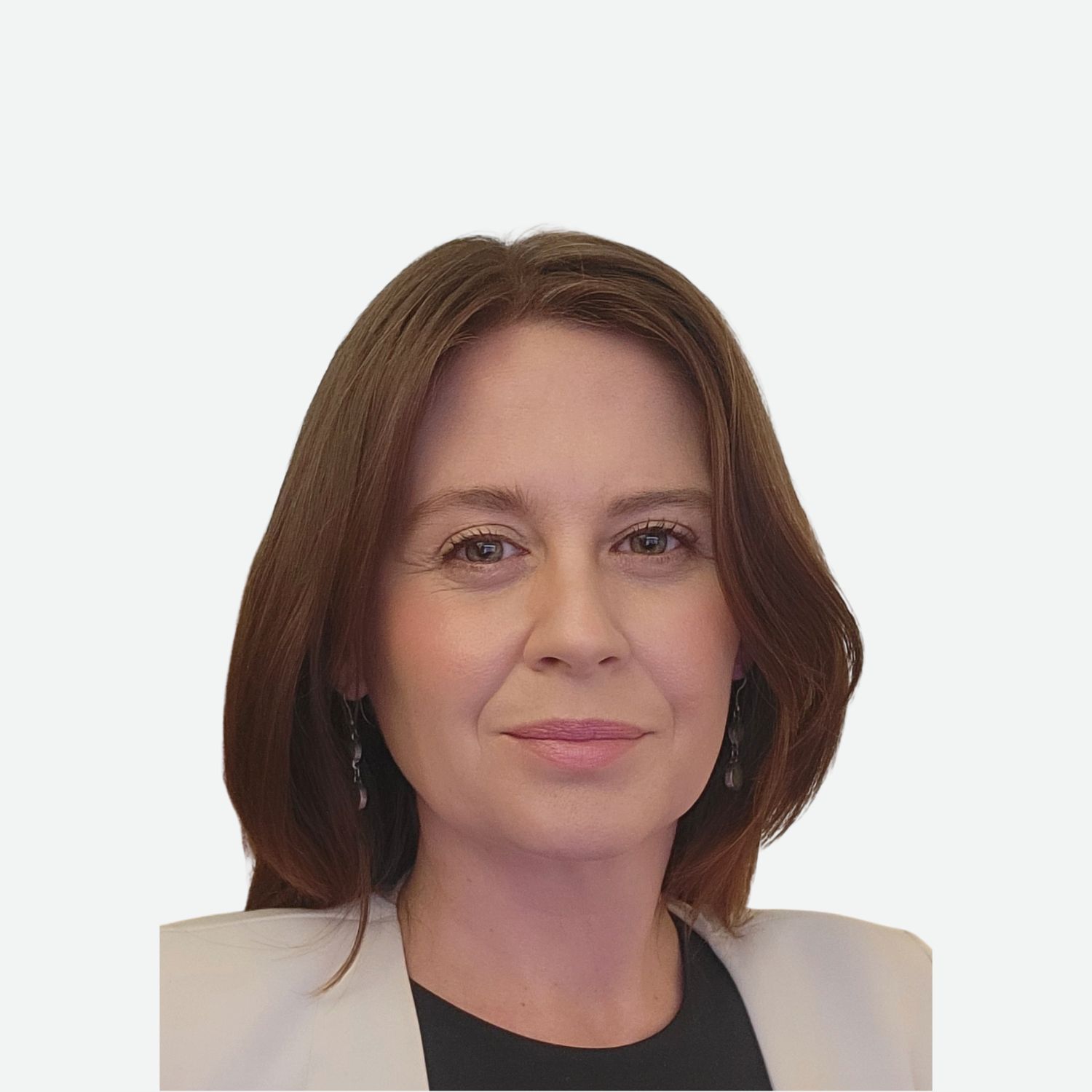

Co-Lead
Louise leads knowledge co-production, partnership development and strategic engagement. With a background in environmental social science and governance, she designs collaborative processes that bring diverse stakeholders together to address complex sustainability challenges. Her research and network-building help establish foundations for the Coalition's work.
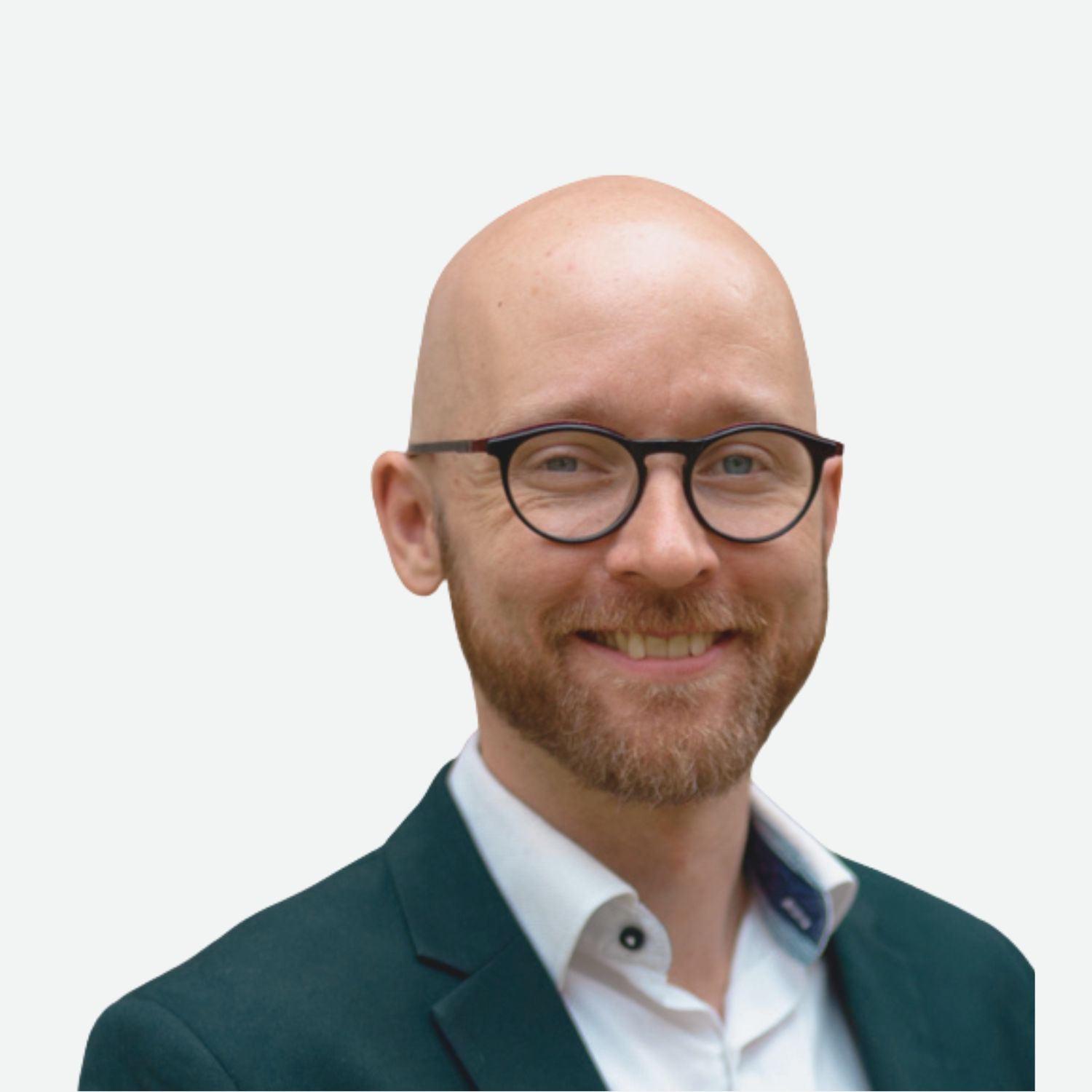
Co-Lead
Daniel leads organisational design and governance systems. With expertise in responsible minerals sourcing and social performance assessment, and experience running his own businesses, he builds the operational models and strategic frameworks that enable effective collaboration. Daniel is guiding the Coalition's transition from a research initiative to an independent, mission-driven organisation.
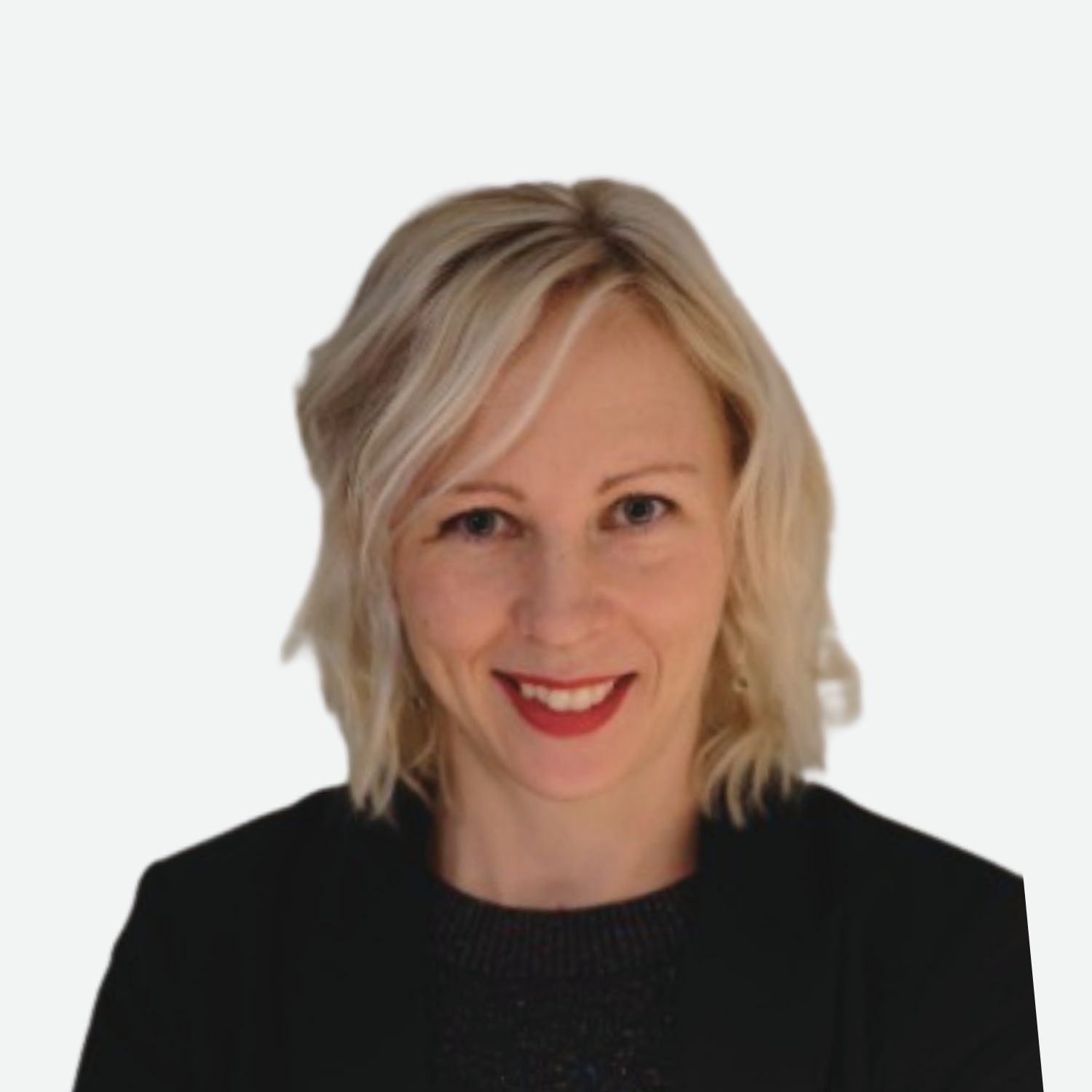
Technical Advisory
Elin is a former Materials & Innovation Manager at H&M Group and brings valuable downstream industry expertise to the Coalition. After contributing as a Founder, she has joined the secretariat to help translate the Coalition's vision into practical, real-world implementation across supply chains.
If you're interested in learning more about our work, we'd love to hear from you. Get in touch with Louise and she'll guide you from there.