About

We are building practical frameworks for responsible sourcing and production of sand and silicates. Defining better practices, testing solutions in real supply chains and creating the tools that turn commitment into action.

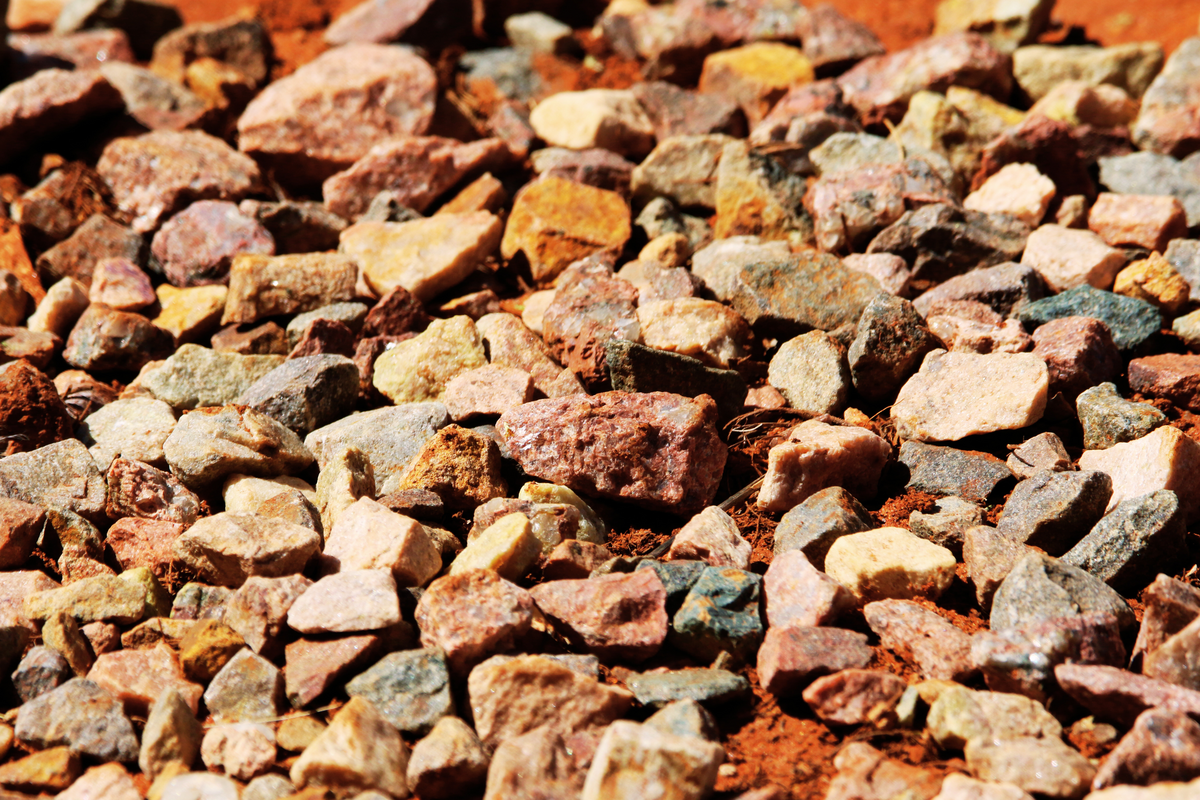
Close-up of feldspar mineral surface showing natural crystalline texture.

Why it matters

Sand and silicates are the most extracted solid materials on Earth and the foundation of modern life. Each year, tens of billions of tonnes are used worldwide to build homes, infrastructure, electronics and energy systems. Aggregates, clays, industrial sands, natural stone and high-purity silica and quartz are often treated as freely abundant and low risk. These assumptions no longer hold.

  • Scale. Demand is now large enough to shape ecosystems, landscapes and markets across the world.
  • Risk. Environmental, social and human-rights risks and impacts are observed in extraction and use in many different contexts.
  • Governance gaps. Responsibility frameworks have failed to keep pace with reality. Sand and silicates still sit largely outside established practices for responsible minerals sourcing and use. Public governance is often fragmented.
  • Supply pressure. In some markets, getting these materials already costs more, takes longer and can stop a project going ahead.

When materials are taken for granted, questions of origin, management and accountability fade. The consequences show up as human-rights and environmental harm, and as growing pressure on secure supply. Responsible governance and business conduct are now expected, yet responsibility for sand and silicates remains weakly defined. That leaves room to lead, and the means to do it is what the Coalition is building.
What we do

The Coalition is a cross-sector platform focused on three actions. We are not a standards body. We are the dedicated knowledge and practice platform for this material family, built to work with the people who source, produce, regulate and depend on these materials every day.

A credible commitment

Shaping clear norms and guidance, practical tools and shared red lines and green flags. Grounded in the OECD Due Diligence Guidance and the OECD Guidelines for Multinational Enterprises, and extending into positive contributions that go beyond risk avoidance.

Shared knowledge and practice

Building the evidence base, testing due diligence approaches in real supply chains and making data and insights actionable so learning travels beyond individual pilots.

A bridge to standards

Working with standards bodies as a connector, critical friend and resource. Helping them bring sand and silicates into their frameworks so that responsible action is recognised.

Our approach

Supply chain responsibility practice is shaped by the OECD's Responsible Business Conduct work and its Due Diligence Guidance. That work is only beginning to treat sand and silicates as a field of application.

  • Integration, not a parallel system. We bring these materials into the system that already exists, rather than building something separate alongside it.
  • Adaptation where the materials require it. The six step process holds. What changes is what it asks for in supply chains this diffuse, this local and this lightly documented.
  • Common ground as the end point. Shared definitions, frameworks and practices let companies demonstrate responsibility against a global benchmark, and send a clearer signal about risk and opportunity into the market.

The Coalition's knowledge base rests on years of foundational work by its Members and Secretariat staff. Coalition Members contributed to UNEP's work on sand and sustainability, establishing the case for global sand governance. Two recent studies led by The University of Queensland then set out the case for responsible sourcing of these materials.

An OECD study on due diligence for sand and silicates supply chains, published in 2026, confirms these materials belong on international responsible-minerals agendas. A second study, commissioned by GIZ and due for publication, examines raw materials in semiconductor supply chains. It situates sand within wider debates on supply security and industrial policy.

About our mark

The Coalition's mark was developed during our incubation at The University of Queensland, in the Coalition's formation period. The castle motif was adapted from a royalty-free icon by erix subyarko via the Noun Project. Abdulrazak Y. contributed the logo refinement and the layout incorporating our name, and the final lockup was completed in-house.

Our governance

The Coalition for Responsible Sand and Silicates is a not-for-profit, public company limited by guarantee, incorporated in Australia. The Board took up its work in July 2026. The Directors are Daniel Holm, Anne Pleash and Kai Eberspaecher. The Constitution was adopted on incorporation as a starting framework. Members will review it at the first Annual General Meeting, scheduled for November 2026.

Board of Directors

Holds fiduciary responsibility for the Coalition and is ultimately responsible for managing it. Directors are nominated and elected by Members, serve three year terms and are not remunerated.

Advisory Council

Advises the Directors on strategic direction, the annual programme of work and the budget, and recommends the membership criteria and the annual fee. Every Founder Member and Founder Supporter appoints a participant, and decisions are reached by consensus wherever possible.

Secretariat

Runs the Coalition day to day, coordinating Members, partners and the programme of work. It prepares the deliverables the Advisory Council reviews and the Board decides on.

How we got here

The Coalition for Responsible Sand and Silicates was incubated at The University of Queensland's Sustainable Minerals Institute, through the Global Centre for Mineral Security. The Centre created the conditions for collaboration across industry, civil society and research groups. The development and spin-out were funded by The University of Queensland through its Resourcing Decarbonisation and Trailblazer initiatives. Inter IKEA, Roca Group and MCS Group also funded the work, and we are grateful to each of them.

Key moments

  • Asking the question. Is it time to treat sand and silicates as part of responsible minerals supply? Research conducted at the Global Centre for Mineral Security for Inter IKEA and the OECD, between 2022 and 2024, confirmed these materials belong on international agendas. It also exposed major gaps in existing standards.
  • Co-designing what could be. A Founders meeting in Barcelona in July 2025 shaped the Coalition's purpose, scope and initial programme of work. We are grateful to Roca Group for hosting us.
  • Formalising the transition. An Interim Council meeting in London in December 2025 endorsed the governance model, membership approach and identity and supported the move to independence.
  • Becoming independent. The Coalition for Responsible Sand and Silicates Ltd was registered with ASIC on 25 June 2026 as a public company limited by guarantee. Membership is open and the first wave of guidance and projects runs from 2026 to 2028.

Contacts

The Secretariat's role is to serve the Coalition's Members: coordinating partnerships, managing operations and ensuring the work gets done. As a small team, we share responsibility across strategy, delivery and relationship-building.

Louise Gallagher

Louise Gallagher LinkedIn

louise@responsiblesand.org

Louise leads knowledge co-production, partnership development and strategic engagement. Her research and network-building established the foundations for the Coalition's work.

Daniel Holm

Daniel Holm LinkedIn

daniel@responsiblesand.org

Daniel leads organisational design and governance. He brings expertise in responsible minerals sourcing and social performance assessment, and experience running his own businesses, to building the Coalition as an independent organisation.

Elin Post

Elin Post LinkedIn

elin@responsiblesand.org

Elin manages Member onboarding and the Coalition community, and contributes technical expertise across the programme of work. A former Materials and Innovation Manager at H&M Group, she brings downstream industry experience to the Coalition.

Get in touch

If you are interested in learning more about our work, we would like to hear from you. Get in touch with Elin and she will guide you from there.

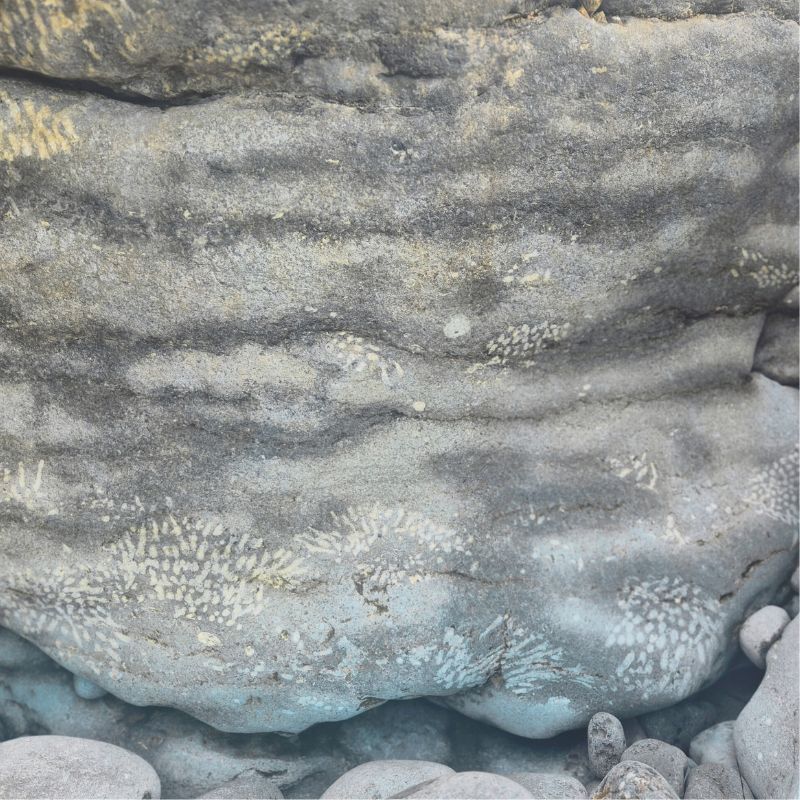
Close-up of stone surface showing natural fossil formations.